TL;DR
An AI data labeling platform pre-labels data with models, then sends low-confidence
cases to humans for review.
The gain isn't fewer humans. It's higher throughput and steadier quality, because people
spend time on judgment, not repetition.
Manual is most accurate on ambiguous work, automation is fastest on repetitive work,
and a hybrid setup beats both at scale.
The features that matter: pre-labeling that flags uncertainty, measurable QA, multimodal
coverage, and clean pipeline exports.
TaskMonk pairs model-assisted labeling with three QC methods and affinity-based
routing, priced at $60 per active user per month.
Introduction
You added forty thousand images to the queue on Monday. By Thursday your annotators are
through the easy ones, and everything left is the hard 20 percent: blurry frames, edge cases,
objects half out of view. Throughput drops, the reviewers start disagreeing, and the model
team is asking when the batch will be ready.
This is the moment an AI data labeling platform earns its place. Not by replacing your
annotators, but by clearing the repetitive work so people can spend their hours on the calls
that actually need judgment. The model drafts the obvious labels. Humans correct, resolve
the ambiguity, and sign off on quality.
This guide covers what an AI data labeling platform does, how AI-assisted labeling actually
works, where it saves the most time, and what to look for before you commit. Here's how it
works.
What is an AI data labeling platform?
Quick answer:An AI data labeling platform is annotation software that uses machine learning to pre-labelyour data automatically, then routes uncertain or low-confidence items to human reviewers.
It combines model-assisted labeling with quality-control workflows so teams produce accurate training data faster than manual labeling alone, without giving up human oversight. Under the surface, the platform sits between raw data and model-ready datasets. It ingests images, video, audio, text, documents, or 3D point clouds, applies a model to propose labels, and gives annotators a workspace to accept, fix, or reject those proposals. Around that loop, it runs the operational layer: task routing, review stages, agreement tracking, and exportsthat plug into your training pipeline.
How AI-assisted labeling actually works
The pattern is simple, and the order matters. A good AI data labeling platform runs it like this:
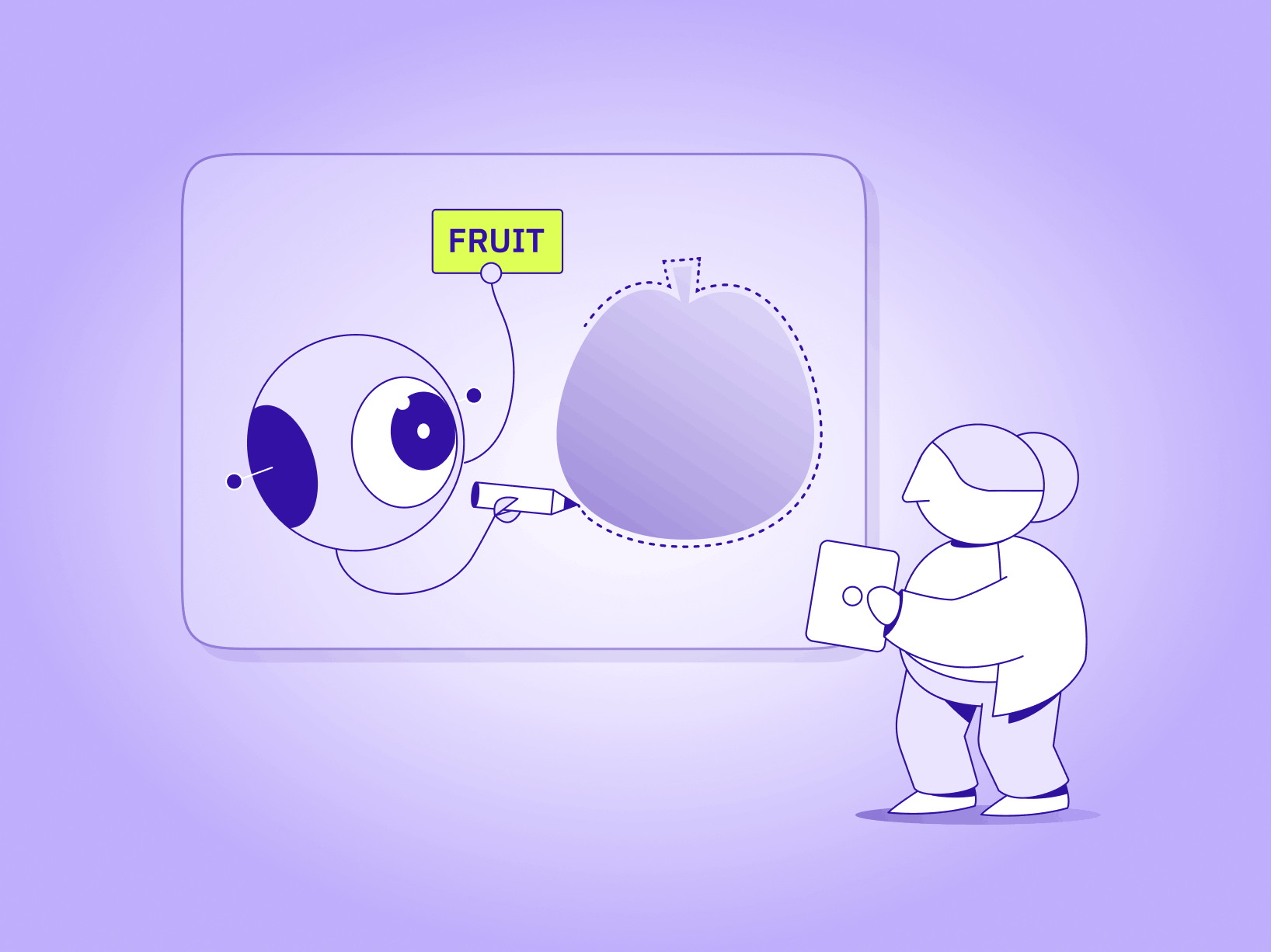
Pre-label: a model (a foundation model, a task-specific model, or your own) drafts labelson the batch.
Score confidence: the platform tags how sure the model is about each item.
Route: high-confidence items get a light review, low-confidence and edge cases go tostronger reviewers.
Correct and QA: humans fix the drafts, and multi-stage checks confirm the result beforeexport.
Feed back: corrections improve the next pre-labeling pass, so the model gets better onyour data over time.
The point that teams miss: automation should make uncertainty visible, not hide it.
A platform that auto-accepts low-confidence labels quietly ships errors into your training data, where they surface months later as model quality problems. A platform that surfaces those items for review catches them while they're still cheap to fix.
Pro tip: Ask any vendor how they handle low-confidence model output. If the answer is that it gets auto-accepted, that's how silent errors enter your dataset. You want those items flagged and routed to a human, every time.
Watching quality drop the moment volume spikes? See how model-assisted prelabeling plus human review holds accuracy at scale on TaskMonk.
Book a walkthrough->
Manual vs. AI-assisted vs. hybrid labeling
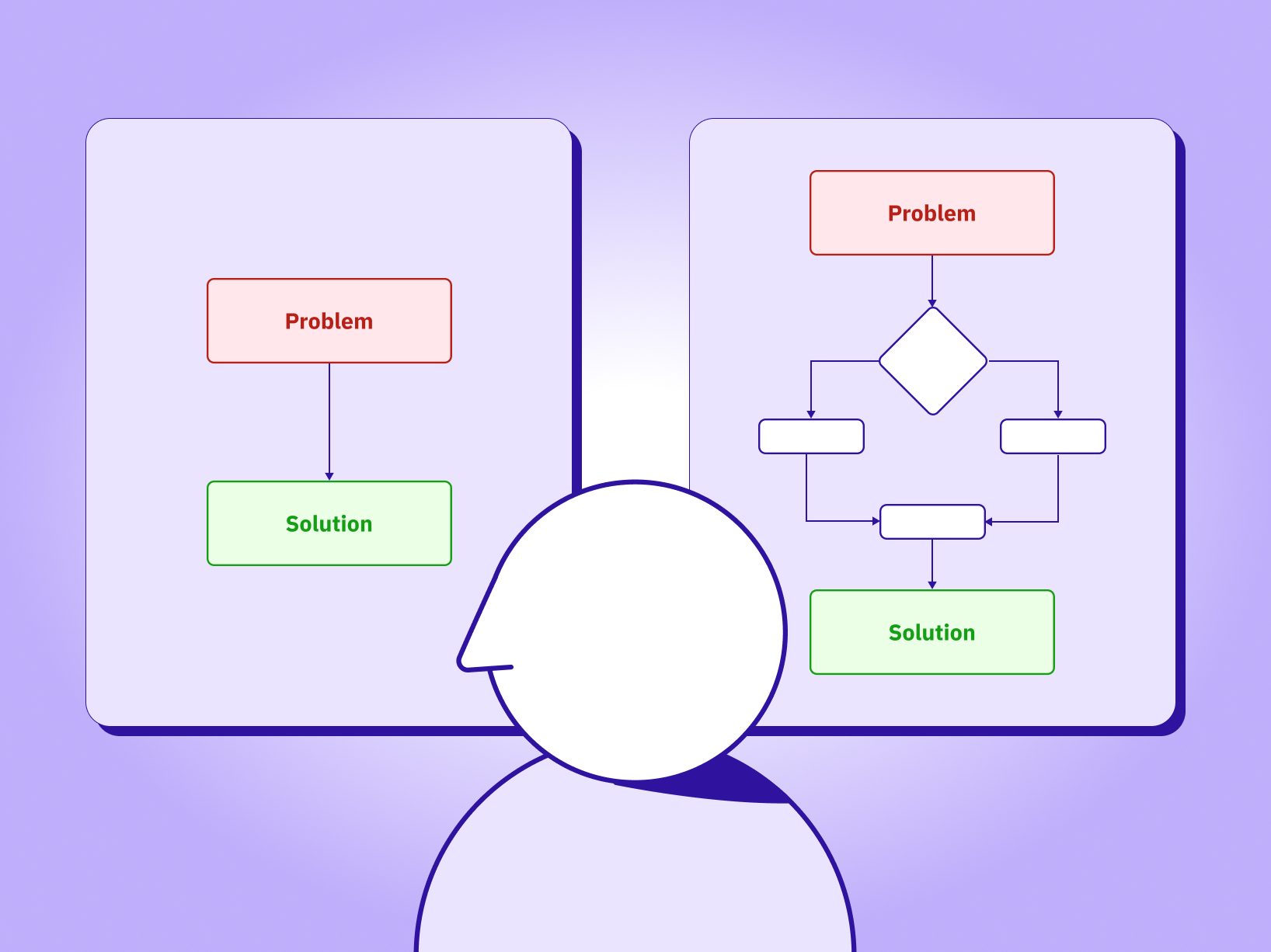
There's no single right method. The right one depends on how ambiguous your data is and how much of it you have. We have covered this call in detail here.
Most enterprise teams land on hybrid. The model handles the volume, humans own thejudgment, and QA keeps both honest.
Where an AI data labeling platform saves the most time
The time savings don't come from labeling faster in isolation. They come from removing the
four bottlenecks that slow real programs:
Consistency at scale: When ten people label the same taxonomy for three months, interpretations drift. A platform that enforces schemas, tracks inter-annotator agreement, and flags reviewers who diverge keeps labels consistent instead of leaving you to discover the drift after training.
Quality control that runs during labeling: When QA happens after export in a separate tool, every disagreement becomes a round-trip. Built-in review stages, gold tasks, and adjudication catch problems in context, while they're still traceable to the decision that caused them.
Cost per label: Pre-labeling cuts the manual effort on repetitive items, and routing sends only the hard cases to your most expensive reviewers. You pay expert time where it changes the dataset, not where a model could have handled it.
Scale without rebuilding ops: Volume spikes break manual setups. A platform with task routing, capacity planning, and
predictable throughput absorbs a heavy sprint and scales back down without a re-org.
Running a program that's about to scale? TaskMonk's affinity-based routing and built-in
QA are designed for exactly this.
See how it fits your data->
What to look for in an AI data labeling platform
Model-assisted labeling that surfaces uncertainty and routes low-confidence items to humans, rather than auto-accepting them.
Measurable QA: gold tasks, multi-stage review, adjudication, and inter-annotator agreement you can see on a dashboard.
Multimodal coverage so text, image, video, audio, and 3D run in one workspace with thesame QA rules.
A no-code workflow builder so you can change task UIs and QC steps without waiting onengineering.
Clean integrations: APIs, standard export formats, and dataset versioning forreproducible training runs.
Security and compliance that match your data: access controls, audit logs, encryption,and certifications like SOC 2 and ISO 27001.
How TaskMonk approaches AI-powered labeling
Most teams don't struggle to collect labels. They struggle to keep quality steady as volume climbs and the easy cases run out. That's the problem TaskMonk is built to remove. Model-assisted pre-labeling drafts the repetitive work, and low-confidence items are routed to stronger reviewers instead of being auto-accepted. Affinity-based routing sends tasks to annotators matched by domain, language, and demonstrated accuracy, which cuts error rates on specialized data. And three configurable QC methods, Maker-Checker, MakerEditor, and Majority Vote, let you set review depth by how critical the task is.
It is no wonder then thatTaskMonk has labeled 480M+ tasks across 6M+ labeling hours for 10+ Fortune 500 teams,holds a 4.6 out of 5 on G2, and runs on SOC 2 and ISO 27001 infrastructure. Pricing is payas-you-go at $60 per active user per month, full platform included, so you're billed only forseats your team actually uses. You can test it on your own data with a 24 to 48 hour POCbefore committing to anything.
Want to see it on your data? Run a 24 to 48 hour POC on your real tasks and get aquality and throughput report.
Request a POC->
Conclusion
An AI data labeling platform doesn't win by labeling faster. It wins by putting model speed on the repetitive work and human judgment on the hard 20 percent, then keeping bothmeasurable as volume grows.
The teams that get this right treat automation as a way to focus their people, not replace them. They pre-label the obvious, route the ambiguous to the right reviewer, and design QA before the first batch instead of after the first problem.
If you want to win the AI training data race today, pick the data annotation platform that keeps your agreement rate, rework rate, and turnaround predictable as your data gets bigger and messier. That's the one that will still be working when the easy cases run out.
FAQs
What is an AI-powered data labeling platform?
An AI-powered data labeling platform uses model-assisted pre-labeling to draft labels automatically, then routes low-confidence or ambiguous cases to human reviewers. It cuts manual effort and turnaround while keeping quality measurable, as long as the automation surfaces uncertainty for review instead of hiding it.
How is AI-assisted labeling different from manual labeling?
Manual labeling is done entirely by humans following a rubric. AI-assisted labeling pre-fills draft labels with a model, then humans correct and confirm them. It removes repetitive effort on high-volume, low-ambiguity tasks, but it still needs strong QA so automation doesn't introduce silent errors.
Does AI-assisted labeling reduce quality?
Not if human review stays in the loop. The gains come from letting annotators focus on edge cases and corrections instead of labeling every item from scratch. Quality is protected by gold tasks, multi-stage review, and inter-annotator agreement tracking.
What data types can an AI data labeling platform handle?
A strong platform handles text, images, video, audio, documents, and 3D or LiDAR data in one workspace, with the same QA rules across modalities. Running everything in one place is what keeps reporting and quality consistent as your data mix grows.
How much does an AI data labeling platform cost?
It depends on the model. TaskMonk is pay-as-you-go at $60 per active user per month forthe full platform, with only active seats billed and no feature gates. Fully managed annotation services are scoped per project with a fixed quote before work begins, and you can validate on your own data with a 24 to 48 hour POC.
The data platform behind enterprise AI.